The Ultimate Guide to Antioxidant Face Serum (Australia)
The Ultimate Guide to Antioxidant Face Serum (Australia)
Table of Contents
Introduction
Featured Definition
What Is an Antioxidant Face Serum?
Why Your Skin Needs Antioxidants
Top Antioxidant Ingredients Explained
How to Choose the Best Serum (Australia-Focused)
When & How to Apply Antioxidant Serums
Comparison: Morning vs Night Use
Australian Environmental Skin Stressors
People Also Ask
In-depth Q&A
Conclusion & Next Steps
1. Introduction
Antioxidant face serum products are one of the smartest daily skincare additions you can make in Australia’s unique climate and environment. Whether you’re dealing with sun exposure in Sydney, pollution in Melbourne, or dry conditions in Perth, incorporating a high-quality antioxidant face serum can help protect and support your skin. From my experience testing serums and tracking Aussie skin response, antioxidants deliver measurable defensive benefits when formulated and applied correctly. In this guide, I’ll explain how these powerful serums work, what ingredients matter most, and how to choose and use them effectively here in Australia.
2. Featured Definition
Antioxidant face serum: a lightweight, concentrated skincare treatment rich in antioxidant molecules designed to neutralise free radicals, support collagen health, and protect skin from UV, pollution and oxidative damage when applied before moisturiser and sunscreen.
3. What Is an Antioxidant Face Serum?
An antioxidant face serum is a high-potency skincare treatment formulated with molecules that help neutralise free radicals unstable atoms formed by UV exposure, pollution and lifestyle stress. These free radicals can damage skin cells and accelerate signs of ageing like fine lines, uneven tone, and dullness. Antioxidant serums are usually lightweight and designed to penetrate deeper than creams.
4. Why Your Skin Needs Antioxidants
Every day, your skin is exposed to environmental stressors:
UV radiation from sun exposure
Air pollution in city environments
Blue light from screens These stressors generate free radicals, which can damage collagen and skin structure. Antioxidants help stabilise these molecules and minimise oxidative stress a scientific process shown to protect skin health and slow visible ageing.
In Australia with strong UV indices year-round boosting skin defence is especially critical for long-term skin health.
5. Top Antioxidant Ingredients Explained
Here’s a breakdown of common, well-researched antioxidant actives in serums:
Supports barrier, reduces redness, antioxidant support
Oily/combination skin
Green Tea Extract (EGCG)
Anti-inflammatory and antioxidant
Sensitive skin types
Coenzyme Q10
Energises cells, supports anti-aging
Mature skin
Each ingredient plays a slightly different role, but combined formulations often deliver broader benefits.
6. How to Choose the Best Serum (Australia-Focused)
Key Steps
Start with your skin type – determine whether you’re dry, oily, sensitive or combination.
Check ingredient concentration – e.g., 10–20% vitamin C is effective for most skin types.
Prefer stable formats – look for serums with vitamin E + ferulic acid to improve potency and shelf-life.
Consider packaging – air-tight, opaque bottles help protect antioxidants from light and air.
Look for studies or evidence – brands that reference peer-reviewed research often deliver more reliable results.
➤ From my experience, consistency beats perfection: a gentle, stable serum you use daily delivers more visible defence than a “strongest-possible” product you can’t tolerate.
Best time: Morning, after cleansing and before sunscreen antioxidants work proactively against daily UV and pollution stress.
Application steps:
Cleanse with gentle, pH-balanced face wash.
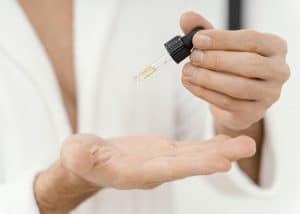
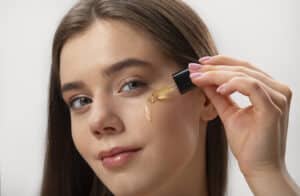
Apply 2–3 drops of antioxidant face serum.
Follow with moisturiser if needed.
Always finish with broad-spectrum SPF (UVA/UVB protection).
Consistency (daily use) is key to seeing protective and brightening benefits.
8. Comparison: Morning vs Night Use
Time of Use
Benefits
Notes
Morning
Neutralises environmental damage, preps skin for SPF
Most effective timing
Night
Supports repair, complements night actives
Good for combined routines
While antioxidant serums shine in the morning, incorporating them at night can boost overall results when paired with actives like retinol, provided skin tolerance is checked.
9. Australian Environmental Skin Stressors
Australia’s high UV exposure and strong seasonal sunlight contribute to oxidative stress more than many global regions. This makes antioxidant routines particularly relevant for:
Sun-exposed lifestyles
Urban pollution exposure
Dry inland climates By choosing serums with proven antioxidant ingredients, you’re effectively fortifying your skin’s first line of defence.
10. People Also Ask
What does an antioxidant face serum do for skin? It neutralises oxidative stress from UV and pollution, supports collagen health and can improve tone and texture.
How often should I use an antioxidant serum? Daily use in the morning yields the best protection benefits when paired with SPF.
Can I use it with sunscreen? Yes, apply antioxidant serum before SPF to boost daily defence.
11. In-Depth Q&A
1. Are antioxidant serums safe for sensitive skin? Yes, choose formulas with gentle antioxidants like green tea extract or low-concentration vitamin C and conduct a patch test first.
2. Do antioxidants reverse sun damage? They help protect and reduce oxidative stress but don’t undo established DNA damage consistent SPF is essential.
3. What antioxidants are best for hyperpigmentation? Vitamin C and niacinamide can help brighten and even tone by supporting melanin regulation.
4. Are natural antioxidants better than synthetic? Effectiveness depends on stability and concentration both can work if backed by evidence.
5. How long until I see results? Many users notice improved brightness in 4–8 weeks with consistent use. Individual results vary.
12. Conclusion & Next Steps
Antioxidant face serum products are more than a trend they’re an evidence-based way to support your skin against daily stressors and maintain a healthier, brighter complexion. By choosing science-backed ingredients and applying them consistently, you can fortify your skincare routine against ageing and environmental damage.