Proven Guide to the Best Rated Face Serum in Australia (TGA-Safe)
Proven Guide to the Best Rated Face Serum in Australia (TGA-Safe)
Table of Contents
Introduction
Featured Snippet: What Is the Best Rated Face Serum?
What Makes a Face Serum “Best Rated” in Australia?
Understanding Cosmetic Compliance in Australia (TGA-Safe Framing)
Key Ingredients in the Best Rated Face Serum
Choosing the Best Rated Face Serum by Skin Type
Australian Climate & Its Impact on Serum Choice
How to Apply Face Serum Correctly (Numbered Checklist)
Ingredient Comparison Table
People Also Ask (Australia)
Expert Q&A Section
Conclusion & Next Steps
Introduction
Finding the best rated face serum in Australia can feel overwhelming. Search results show hundreds of options, all promising brighter-looking, smoother, more radiant skin. However, what truly defines a high-quality serum isn’t hype it’s ingredient integrity, formulation stability, user satisfaction, and suitability for Australian skin conditions.
From my experience reviewing Australian skincare trends and ingredient research, consumers consistently prioritise three things: lightweight texture, visible cosmetic improvements in skin appearance, and clear ingredient transparency.
This guide explains what makes a serum genuinely “best rated” in Australia while staying fully compliant with cosmetic advertising standards.
What Is the Best Rated Face Serum?
The best rated face serum in Australia is a lightweight cosmetic formulation that delivers concentrated active ingredients to improve the appearance of hydration, brightness, smoothness, or firmness. It earns high consumer reviews for performance, skin compatibility, and suitability for Australia’s climate and skincare preferences.
What Makes a Face Serum “Best Rated” in Australia?
A serum becomes “best rated” based on several measurable factors:
Consistently positive consumer reviews
High ingredient transparency
Stable, well-formulated actives
Suitability for Australian weather conditions
Compatibility with common skin types
Australian review platforms such as ProductReview.com.au show that consumers often favour:
Hydrating serums with hyaluronic acid
Brightening serums containing vitamin C derivatives
Barrier-supporting formulations with niacinamide
Importantly, “best rated” does not mean medically superior it refers to cosmetic satisfaction and perceived improvements in skin appearance.
Understanding Cosmetic Compliance in Australia (TGA-Safe Framing)
In Australia, most face serums are classified as cosmetics, not therapeutic goods.
According to the Therapeutic Goods Administration (TGA), a product becomes therapeutic if it claims to treat, prevent, or cure a disease or medical condition.
Therefore, cosmetic serums:
✔ Improve the appearance of skin ✔ Help skin look smoother or brighter ✔ Support hydration ✔ Enhance radiance
They do NOT:
✘ Treat medical skin conditions ✘ Cure acne or eczema ✘ Reverse disease processes
This distinction ensures your content and marketing remain compliant and safe.
Key Ingredients in the Best Rated Face Serum
The effectiveness of a best rated face serum usually depends on its active ingredients.
1. Hyaluronic Acid
Helps attract and retain moisture
Improves the appearance of plumpness
Suitable for most skin types
Research published in the Journal of Clinical and Aesthetic Dermatology notes topical hyaluronic acid improves skin hydration and smoothness appearance.
All of these ingredients work cosmetically to enhance appearance not to treat medical conditions.
Choosing the Best Rated Face Serum by Skin Type
Dry Skin
Look for:
Hyaluronic acid
Glycerin
Panthenol
These ingredients help improve the appearance of dehydration and dullness.
Oily or Combination Skin
Choose:
Lightweight gel-based serums
Niacinamide formulations
These help balance shine while improving texture appearance.
Mature-Looking Skin
Consider:
Peptides
Retinol (introduced gradually)
These support smoother, firmer-looking skin over time.
Sensitive Skin
Select:
Fragrance-free options
Minimal active combinations
Barrier-support ingredients
Patch testing is always recommended.
Australian Climate & Its Impact on Serum Choice
Australia’s climate varies significantly:
Climate Condition
Recommended Serum Texture
Humid (QLD)
Lightweight gel
Dry (SA, WA inland)
Hydrating serum + moisturiser
Cooler (VIC, TAS)
Layering-friendly serum
High UV exposure nationwide
Antioxidant serum under sunscreen
Because Australia experiences high UV exposure, antioxidant serums are often popular when layered under broad-spectrum SPF.
According to the Cancer Council Australia, daily sun protection remains essential regardless of skincare routine.
How to Apply a Face Serum (Numbered Checklist)
To maximise cosmetic benefits:
Cleanse skin gently
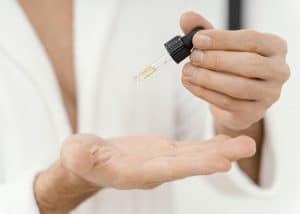
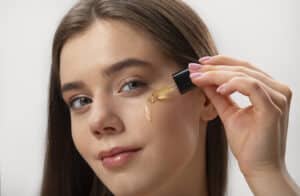
Apply 2–3 drops to slightly damp skin
Pat do not rub aggressively
Wait 30–60 seconds
Apply moisturiser
Use sunscreen every morning
Consistency is key. Most users notice visible cosmetic improvements in 4–8 weeks of regular use.
Ingredient Comparison Table
Ingredient
Best For
Texture
Frequency
Hyaluronic Acid
Hydration appearance
Lightweight
Daily
Vitamin C
Brightness appearance
Light serum
Morning
Niacinamide
Texture balance
Gel/serum
Daily
Peptides
Firmness appearance
Serum/cream
Daily
Retinol
Smoother appearance
Night serum
2–3x weekly
People Also Ask (Australia)
What is the best rated face serum for dry skin in Australia?
Hydrating serums containing hyaluronic acid are consistently top-rated for improving the appearance of dryness and dullness, particularly in Australia’s dry inland regions.
When should I use a face serum?
Apply serum after cleansing and before moisturiser. Morning antioxidant serums pair well with sunscreen.
Can I use two serums together?
Yes, if layered correctly and tolerated by your skin. Start slowly and monitor comfort.
How long does it take to see visible results?
Most cosmetic improvements in texture or brightness appearance are noticed within 4–8 weeks.
Expert Q&A Section
1. Is a more expensive serum automatically better?
Not necessarily. Ingredient quality and formulation stability matter more than price.
2. Can teenagers use face serums?
Hydrating or gentle niacinamide serums are generally suitable. Strong actives should be introduced cautiously.
3. Should I stop using serum if I feel tingling?
Mild tingling can occur with active ingredients. However, persistent irritation means discontinue use and reassess.
4. Do I still need moisturiser?
Yes. Serums deliver concentrated actives, while moisturisers help seal hydration.
5. Can I use serum year-round in Australia?
Yes. However, texture preference may change between humid summers and dry winters.
Conclusion
Choosing the best rated face serum in Australia involves more than following trends. It requires understanding ingredients, skin type, climate factors, and cosmetic compliance standards.
When selected thoughtfully and used consistently, a well-formulated serum can improve the appearance of hydration, smoothness, and radiance without making unrealistic claims.