What Is a Serum for Face? (Definition for Snippet)
Why Use a Serum for Face?
How Serums Work – The Science Explained
Key Ingredients in Face Serums
Choosing the Right Serum for Your Skin (Checklist)
How & When to Apply Your Serum
Onshore vs Offshore Serums (Comparison Table)
People Also Ask (PAA Section)
Q&A Expert Answers
Conclusion & Next Steps
1. Introduction
When Australians search for serum for face, they’re usually looking for clarity which product actually delivers results, how it works, and what fits their skin type. In this deep-dive we’ll cover exactly that, with clear, science-informed explanations and practical guidance you can use today.
2. What Is a Serum for Face?
A serum for face is a lightweight, highly concentrated skincare product designed to deliver active ingredients deeper into the skin than moisturisers. Serums target specific skin concerns such as ageing, dehydration, pigmentation and dullness while absorbing quickly and enhancing overall skin health when used after cleansing and before moisturiser.
3. Why Use a Serum for Face?
Serums are not a magic bullet, but they are one of the most effective ways to deliver high-potency ingredients into your skin.
Concentrated actives: Serums have significantly higher concentrations of active ingredients than most moisturisers, making them more effective for targeted concerns.
Better absorption: Their lightweight formulation allows deeper penetration beyond the skin surface.
Complement your routine: Used in the right order, they boost the efficacy of your daily skincare steps.
From my experience working with clients here in Australia, serums are often the difference-maker in skin routines especially when paired with sunscreen and moisturiser.
4. How Serums Work – The Science Explained
Unlike creams or lotions that sit mostly on the surface, serums are designed with small molecules that penetrate deeper into the epidermis and dermis layers. These molecules carry active ingredients such as antioxidants, peptides, or hydrators directly to skin cells.
Because of this delivery system:
Serums can stimulate cell renewal and repair,
Enhance hydration deep within skin layers, and
More effectively target concerns like hyperpigmentation or fine lines than many creams.
5. Key Ingredients in Face Serums
Below are the most common, evidence-backed serum ingredients Australians look for and what they do:
Ingredient
Benefit
Best For
Hyaluronic Acid
Deep hydration by attracting water
Dry, dehydrated skin
Vitamin C
Brightens and protects against environmental damage
Dull or pigmented skin
Retinol/Retinoids
Accelerates cell turnover, reduces fine lines
Ageing or textured skin
Niacinamide
Improves barrier function, reduces redness
Sensitive or irritated skin
Peptides
Supports collagen production
Loss of firmness, ageing skin
Choosing the right mix matters not all serums are created equal.
6. Choosing the Right Serum for Your Skin (Checklist)
Before you buy a serum for face, use this checklist:
Identify your main concern: hydration, ageing, pigmentation, acne, sensitivity.
Check key ingredient match: e.g., hyaluronic acid if dry; vitamin C if dull.
Research formulation stability: Vitamin C and retinol require stable formulas.
Patch test first: Apply a small amount for 24 hours to check sensitivity.
Pair with sunscreen: Actives like retinol increase sun sensitivity.
This step-by-step process increases your chances of seeing results and avoiding irritation.
7. How & When to Apply Your Serum
Follow these general steps:
Cleanse your face to remove dirt and oils.
(Optional) Tone if you use a toner.
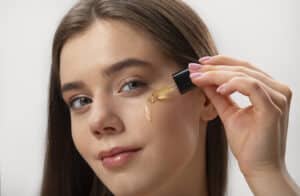
Apply serum a pea-sized amount.
Wait 1–2 minutes for absorption.
Seal with moisturiser, then sunscreen in the morning.
Timing matters: Vitamin C works best in the morning for environmental protection, while retinol is typically used at night.
8. Onshore vs Offshore Serums (Comparison Table)
Feature
Onshore (Australia)
Offshore (International)
Formulations
Often tailored to hotter climates
May not suit Australian lifestyle
Ingredient sourcing
Aussie dermatology standards
Varies by brand/regulation
Shipping & availability
Readily available in local stores
Possible shipping delays
Compliance
Follows Australian labelling rules
May require TGA clarity
Note: When sourcing products internationally, ensure labelling follows relevant Australian cosmetic standards this is an administrative task to check compliance (not legal advice).
9. People Also Ask (PAA)
Q: Should I use a serum for face every day? A: It depends on the formula. Hydrating serums like hyaluronic acid can be used daily, while stronger actives like retinol may need less frequent use. Always follow product guidance and monitor your skin response.
Q: What’s the difference between serum and moisturiser? A: Serums deliver concentrated actives deeper into your skin, while moisturisers mainly hydrate and protect the surface. Used together, they work synergistically.
Q: When should I apply serum in my skincare routine? A: After cleansing (and toning) but before moisturiser and SPF. This helps ensure the actives are absorbed effectively.
10. Q&A Expert Answers (Advanced)
Can serums cause skin irritation? Yes some active ingredients like retinol can irritate sensitive skin. Patch testing and gradual introduction can help reduce risk.
Are serums worth the cost? Quality serums with research-backed ingredients can be very effective, often more so than basic moisturisers alone. Look for clinical evidence.
How long until I see results? Most serums show visible improvement within 4–8 weeks with consistent use.
Can I layer multiple serums? Yes – but choose compatible ingredients. For example, vitamin C + hyaluronic acid often pairs well; retinol + vitamin C can increase irritation.
Are natural serums effective? Some plant-based actives can be beneficial, but their potency varies. Always consider concentration and evidence.
11. Conclusion & Next Steps
In Australia, a serum for face is one of the most impactful steps you can add to your routine when chosen and used correctly. It delivers targeted active ingredients that can address specific concerns and improve your skin’s overall appearance over time. For tailored skincare products and personalised selection help, explore high-quality serums like those reviewed at melacellular.com.au to match your skin goals with evidence-based formulations.