Vitamin C Serum for Face Australia: A Practical, TGA-Safe Guide
Vitamin C Serum for Face Australia: A Practical, TGA-Safe Guide
Vitamin C Serum for Face Australia: A Practical, TGA-Safe Guide
Table of Contents
Introduction
Featured Definition: What Is Vitamin C Serum for Face Australia?
Why Vitamin C Serums Are Popular in Australia
How Vitamin C Supports Skin Appearance
Common Forms of Vitamin C Used in Australia
Choosing a Vitamin C Serum for Face Australia
Concentration, pH, and Formulation Considerations
Australian Climate and Daily Skincare Routines
How to Use Vitamin C Serum (Cosmetic Use Checklist)
Vitamin C vs Other Common Cosmetic Antioxidants
Skin Sensitivity and Responsible Use
People Also Ask: Vitamin C Serum for Face Australia
Q&A: Informed Cosmetic Use
Conclusion and Next Steps
1) Introduction
If you’re searching for vitamin c serum for face australia, you’re likely looking for skincare information relevant to Australian conditions such as high sun exposure, seasonal climate changes, and everyday lifestyle factors. From my experience reviewing cosmetic skincare products used locally, vitamin C serums are widely chosen for their role in supporting brighter-looking and more even-toned skin.
This guide is written from a cosmetic and informational perspective only. It focuses on how vitamin C serums are commonly used in Australian skincare routines, what to look for on ingredient labels, and how to use them responsibly without exaggerated or therapeutic claims.
2) Featured Definition: What Is Vitamin C Serum for Face Australia?
Vitamin C serum for face Australia refers to a cosmetic skincare product containing vitamin C or vitamin C derivatives, formulated for topical use. It is commonly used in Australian skincare routines to support brighter-looking skin, improve overall appearance, and complement daily sun-protection practices.
3) Why Vitamin C Serums Are Popular in Australia
Australia’s environment plays a major role in skincare choices. Many people spend time outdoors, experience higher UV exposure, and live in climates ranging from humid coastal areas to dry inland regions.
According to the Cancer Council Australia, sun protection is a daily consideration for Australians. While vitamin C serums do not protect against UV radiation, they are often used as part of a broader cosmetic routine that also includes sunscreen and moisturiser.
From a cosmetic standpoint, vitamin C is valued for helping skin appear:
More radiant
More even in tone
Well supported in daily skincare routines
4) How Vitamin C Supports Skin Appearance
Vitamin C is commonly described in cosmetic science as an antioxidant ingredient. Antioxidants are included in skincare formulations to help minimise the visible effects of environmental stressors on the skin’s appearance.
In simple terms, vitamin C is used in cosmetic products to:
Support brighter-looking skin
Help improve the appearance of uneven tone
Contribute to a smoother-looking complexion
Dermatology information platforms such as DermNet describe vitamin C as a widely studied cosmetic ingredient when used topically.
5) Common Forms of Vitamin C Used in Australia
Australian cosmetic products may contain different forms of vitamin C, each with unique formulation characteristics:
L-Ascorbic Acid: A direct form of vitamin C commonly used in water-based serums
Sodium Ascorbyl Phosphate: A more stable derivative often chosen for gentler formulations
Ascorbyl Glucoside: A derivative designed to convert gradually on the skin
These forms differ in stability, texture, and suitability for different skin preferences.
6) Choosing a Vitamin C Serum for Face Australia
When selecting a vitamin c serum for face australia, cosmetic considerations matter more than bold marketing claims.
Look for:
Clear ingredient lists
Appropriate packaging (opaque or air-restricted)
Formulations suited to your skin type and local climate
Many Australians prefer lightweight serums that layer well under sunscreen and makeup.
7) Concentration, pH, and Formulation Considerations
Cosmetic vitamin C serums are formulated at different concentrations. Higher percentages are not always better for every user.
General cosmetic observations include:
Moderate concentrations are commonly used for daily routines
Lower pH formulations may feel more active on the skin
Stable packaging helps maintain product quality
Changes in colour or scent may indicate oxidation, which can reduce cosmetic performance.
8) Australian Climate and Daily Skincare Routines
Australia’s climate influences how products feel and perform on the skin. In warmer or humid regions, lighter textures are often preferred, while cooler climates may suit more hydrating formulations.
Research published via the National Center for Biotechnology Information discusses the cosmetic role of antioxidants in skincare formulations, particularly when used alongside sun-protection products.
This information is provided for general education only and does not replace professional advice.
9) How to Use Vitamin C Serum (Cosmetic Use Checklist)
Typical Cosmetic Application Steps:
Cleanse the face with a gentle cleanser
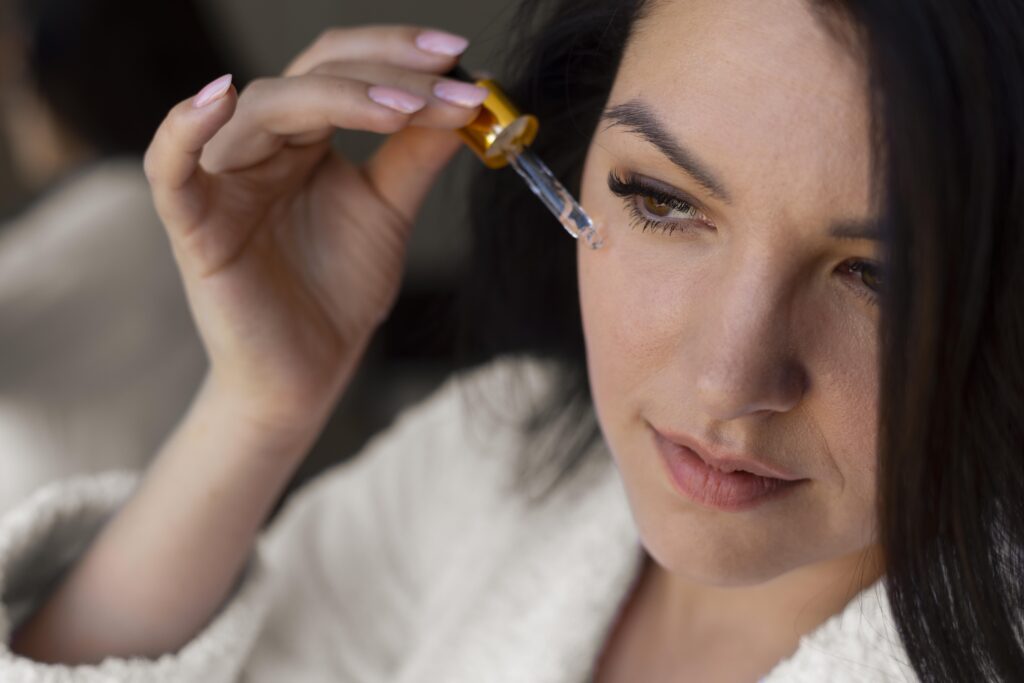
Apply a small amount of vitamin C serum to dry skin
Allow it to absorb fully
Follow with moisturiser
Apply broad-spectrum sunscreen in the morning
Use frequency depends on individual skin tolerance.
10) Vitamin C vs Other Common Cosmetic Antioxidants
Feature
Vitamin C
Niacinamide
Vitamin E
Used for brightness
Yes
Moderate
No
Texture impact
Light
Light
Rich
Common pairing
Sunscreen
Moisturiser
Vitamin C
Cosmetic role
Antioxidant
Barrier support
Conditioning
Each ingredient serves a different cosmetic purpose and can be combined thoughtfully.
11) Skin Sensitivity and Responsible Use
Some people may experience tingling or redness when introducing a new cosmetic product. This does not indicate effectiveness.
Best practices include:
Patch testing before full use
Introducing products gradually
Discontinuing use if irritation persists
Individual results vary.
12) People Also Ask: Vitamin C Serum for Face Australia
Is vitamin C serum suitable for Australian skincare routines? Many Australians include it as part of a cosmetic routine focused on skin appearance and maintenance.
Can vitamin C serum be used daily? Daily use is common, though some people prefer less frequent application based on skin sensitivity.
Does vitamin C serum replace sunscreen? No. Sunscreen remains essential for UV protection.
Is vitamin C serum only for mature skin? No. It is used across age groups for general cosmetic support.
13) Q&A: Informed Cosmetic Use
Q1: Can vitamin C serum be layered with other skincare products? Yes, it is commonly layered under moisturiser and sunscreen.
Q2: Should vitamin C serums be stored carefully in Australia? Yes, cooler and darker storage conditions may help maintain product quality.
Q3: Are vitamin C derivatives gentler than pure vitamin C? Many users find derivatives more suitable for sensitive skin.
Q4: How long before cosmetic changes may be noticed? Appearance changes vary and depend on consistent use and individual skin factors.
Q5: Can vitamin C be part of a minimalist routine? Yes, it is often used alongside cleanser, moisturiser, and sunscreen.
14) Conclusion and Next Steps
A vitamin c serum for face australia can be a valuable cosmetic addition when chosen carefully and used responsibly. Understanding formulation, local climate considerations, and realistic expectations helps ensure a better experience.